
How to Read Milk Replacer Labels: What Protein, Fat and Ingredients Really Mean
News / How to Read Milk Replacer Labels: What Protein, Fat and Ingredients Really Mean
Most calf milk replacer bags look reassuringly similar. A protein percentage, a fat figure, a list of ingredients — job done. But anyone rearing calves knows that two products with near-identical labels can deliver very different results in the shed.
The reason is simple: the numbers on the bag only tell part of the story. How those nutrients are formulated, digested and delivered matters far more than a headline protein percentage.
This guide breaks down how to read a milk replacer label properly, what the key figures actually mean in practice, and which details make the real difference to calf growth and health on farm.
Why Milk Replacer Labels Matter
Milk replacer labels give insight into how a product is formulated and how it should perform when fed correctly. While two products may look similar on paper, differences in protein quality, fat balance, digestibility and mixing behaviour can lead to very different results in the shed.
Rather than focusing on marketing claims, a good label helps farmers assess whether a milk replacer suits their feeding system, labour setup and growth targets.
How to Approach a Milk Replacer Label
A milk replacer label should be read as a whole, not as individual numbers in isolation. Protein, fat, ingredients and mixing rate all work together. A product that looks strong on paper can still underperform if those elements are out of balance or poorly applied at feed time.
Understanding how the label translates into daily feeding practice is just as important as the figures themselves.
Understanding Protein on Milk Replacer Labels
Protein is usually the first figure farmers look at, and for good reason. Protein drives muscle development, frame growth and early performance.
Most high-quality calf milk replacers contain 22–26% protein, depending on feeding rate and rearing system. However, higher protein alone does not guarantee better results. What matters more is digestibility, consistency and how well that protein is utilised by the calf.
Milk replacer labels may list protein sources such as skim milk powder or whey proteins. Research and on-farm experience consistently show that well-formulated whey-based milk replacers perform just as well as skim-based products when fed correctly. The focus should always be on formulation quality rather than protein source alone.
Fat Content: Energy for Growth and Resilience
Fat supplies the energy calves need to grow and maintain body condition, particularly in colder weather or during periods of stress.
Most dairy calf milk replacers contain 16–20% fat, which supports immune function and steady liveweight gain. When reading labels, balance is key. Too little fat can limit growth, while excessive fat can reduce intake or affect digestion.
The aim is consistent performance, not short-term gains.
Ingredient Lists: What Really Matters
Ingredient lists can look technical, but they offer useful clues about how a milk replacer will perform.
Rather than focusing on long or complex ingredient lists, farmers should look for:
- High-quality milk-derived proteins
- Good solubility
- Consistent formulation
Additives such as vitamins, minerals and functional ingredients can support calf health, but only when the base nutrition is sound. In practice, simple, well-designed formulations often outperform heavily marketed blends.
Skim vs Whey on the Label: How to Interpret It
One of the most common questions when reading labels is whether skim-based milk replacer is better than whey-based alternatives.
From a performance perspective, there is no consistent advantage of skim over whey when products are correctly formulated and fed properly. Modern whey-based milk replacers are widely used because they:
- Deliver excellent digestibility
- Mix easily
- Perform reliably across manual and automatic feeding systems
What matters most is how the milk replacer behaves in the feeder and how calves perform over time.
Solubility and Mixing Performance
Although solubility isn’t always listed on a label, it is critical to performance. A good milk replacer should dissolve easily, remain stable in solution and deliver consistent nutrition at every feed.
Poor solubility can lead to uneven feeding, digestive upset and blocked automatic feeders. This is one reason many farmers favour whey-based milk replacers for their reliability and ease of mixing.
Correct Mixing: Making the Label Work
Once you understand what the figures on a milk replacer label mean, the next step is applying them correctly at feeding time. Protein, fat and ingredients only deliver results when the milk replacer is mixed at the correct concentration, temperature and consistency.
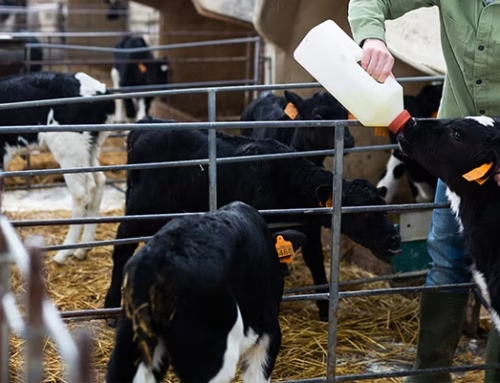
Below is a step-by-step guide to mixing milk replacer correctly for both manual feeding and automatic systems.
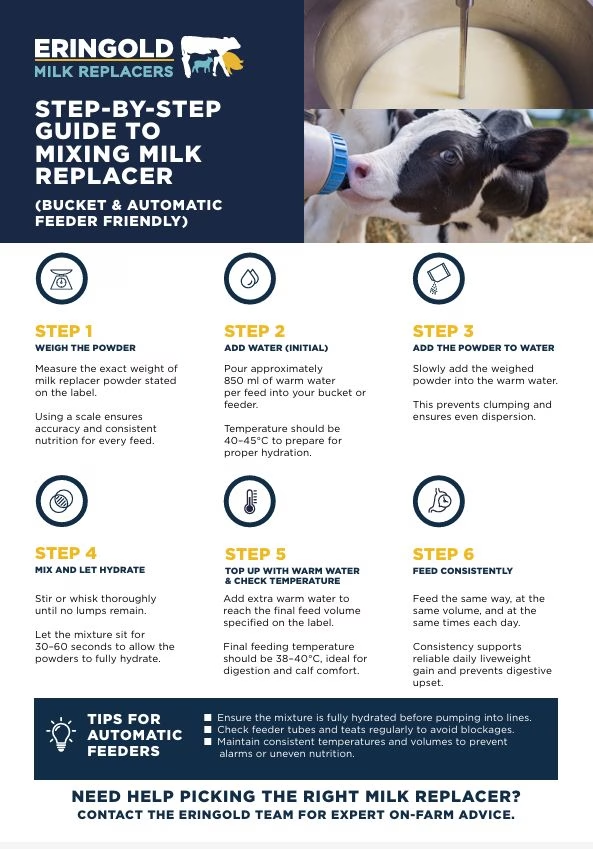
Step-by-Step Guide to Mixing Milk Replacer
(Bucket & Automatic Feeder Friendly)
Step 1: Weigh the Powder ⚖️
- Measure the exact weight of milk replacer powder stated on the label.
- Using a scale ensures accuracy and consistent nutrition for every feed.
Step 2: Add Water (Initial) 💧
- Pour approximately 850 ml of warm water per feed into your bucket.
- Temperature should be 40–45°C to prepare for proper hydration.
Step 3: Add the Powder to Water 🥛
- Slowly add the weighed powder into the warm water.
- This prevents clumping and ensures even dispersion.
Step 4: Mix and Let Hydrate 🔄
- Stir or whisk thoroughly until no lumps remain.
- Let the mixture sit for 30–60 seconds to allow the powders to fully hydrate.
Step 5: Top Up with Warm Water & Check Temperature 🌡️
- Add extra warm water to reach the final feed volume specified on the label.
- Final feeding temperature should be 38–40°C, ideal for digestion and calf comfort.
Step 6: Feed Consistently ⏱️
- Feed the same way, at the same volume, and at the same times each day.
- Consistency supports reliable daily liveweight gain and prevents digestive upset.
Tips for Automatic Feeders
- Ensure feeder is calibrated at the start of every calf rearing season.
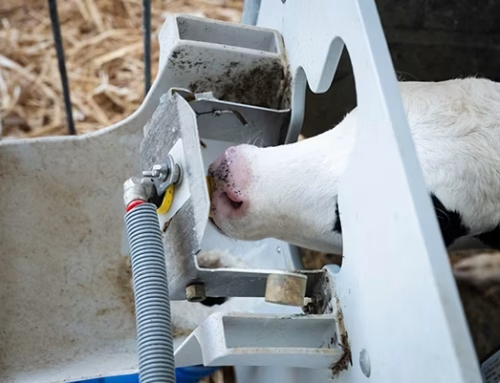
- Check feeder tubes and teats regularly to avoid blockages.
- Maintain consistent temperatures and volumes to prevent alarms or uneven nutrition.
What Labels Don’t Always Tell You
Milk replacer labels don’t show how consistently a product is manufactured or how it performs batch after batch. This is where supplier reliability becomes important.
Working with a trusted milk replacer supplier ensures product consistency, technical support and guidance on feeding rates and mixing, factors labels alone can’t communicate.
How Eringold Milk Replacers Are Formulated
Eringold milk replacers are developed with a focus on digestibility, consistency and practical on-farm performance. The range includes whey-based calf milk replacers designed to mix easily, feed consistently and support steady growth across different rearing systems, from bucket feeding to automatic feeders.
Each product is manufactured to exacting standards, ensuring the nutritional values on the label reflect what calves actually receive at every feed.
Practical Advice for Farmers
Reading milk replacer labels is about understanding what actually drives calf performance on farm, not what looks impressive on the bag. When formulation quality, digestibility and consistent mixing come together, calves perform more predictably.
If you’d like help interpreting milk replacer labels or choosing the right Eringold milk replacer for your feeding system, contact the Eringold team for practical, on-farm advice you can trust.
Frequently Asked Questions
What protein level should I look for on a milk replacer label?
A protein level that supports growth while remaining highly digestible. Quality and consistency matter more than chasing the highest percentage.
Is skim milk replacer better than whey?
No. Research and farm results show no consistent performance advantage when products are well formulated and fed correctly.
Does fat percentage affect calf growth?
Yes. Balanced fat levels provide energy and support immunity, particularly in young calves.
Why do two milk replacers with similar labels perform differently?
Differences in ingredient quality, digestibility and manufacturing consistency often explain performance gaps.
Can I see the nutritional details on Eringold milk replacer bags?
Yes. If you’d like to review our bag labels, you can request them via our submission form or by email, and we’ll be happy to share the full nutritional information and explain what it means in practical terms.