
Are You Getting the Most from Your Robot Feeder? 5 Common Mistakes Affecting Calf Performance
News / Are You Getting the Most from Your Robot Feeder? 5 Common Mistakes Affecting Calf Performance
Automatic calf feeders have become increasingly common on Irish dairy farms, offering a practical way to improve feeding consistency while reducing labour demands during the busy calf rearing season.
However, a robot feeder is only as effective as the management behind it.
Many farmers invest in automated systems expecting immediate improvements in calf performance, only to find that calf growth rates, health outcomes or labour efficiencies don’t quite match expectations. In most cases, the issue isn’t the technology itself. Instead, small management mistakes can limit the benefits these systems are designed to deliver.
If you’re reflecting on this year’s calf rearing season and reviewing how your automated feeding system performed, now is the ideal time to identify what worked well and where improvements can be made before next season.
Here are five common mistakes that may be affecting calf performance.
1. Treating the Robot as a Set-and-Forget System
One of the biggest misconceptions surrounding automatic feeders is that they eliminate the need for hands-on calf management.
While robots can automate feeding, they don’t replace stockmanship.
Calves still require daily observation, regular health checks and ongoing monitoring. Changes in behaviour, appetite or demeanour are often the first indicators that something isn’t quite right.
Successful farms use technology to support management, not replace it.
Ask yourself:
- Were calves checked thoroughly every day?
- Were any health issues identified quickly?
- Was the robot used as a management tool rather than a replacement for observation?
Technology can make life easier, but attention to detail remains critical.
2. Overlooking Feeding Data
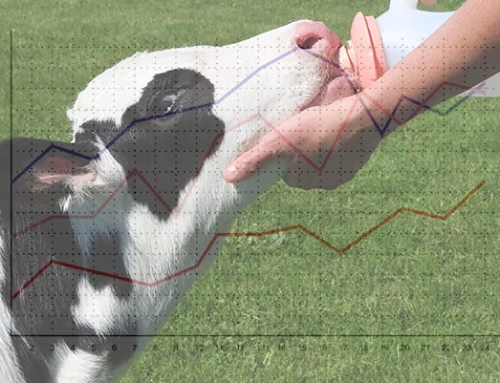
One of the greatest advantages of robot feeders is the amount of information they generate.
Modern systems provide valuable insights into:
- Milk intake
- Drinking speed
- Feeding frequency
- Missed visits
- Feeding patterns
Unfortunately, this data isn’t always used effectively.
Reviewing reports regularly allows farmers to identify calves that may be struggling before obvious clinical signs appear. A calf visiting the feeder less frequently or drinking more slowly may be telling you something important.
The farms achieving the best results are often those making management decisions based on the information available to them.
3. Inconsistent Calf Nutrition
Even the most advanced feeding system cannot compensate for poor nutrition.
Strong calf performance begins with a well-designed feeding programme built around consistency.
Reflecting on this season, ask yourself:
- Did calves achieve the growth rates you expected?
- Was the feeding programme followed consistently?
- Did calves transition smoothly through different feeding stages?
Choosing the right calf milk replacer remains an important part of the process.
The best milk replacer programmes support:
- Consistent growth
- Excellent digestibility
- Strong calf health
- Reliable mixing characteristics
When reviewing performance, it’s worth considering whether your nutritional strategy delivered the outcomes you were aiming for.
4. Falling Behind on Hygiene
Labour-saving technology can sometimes create a false sense of security.
Robot feeders still require excellent hygiene standards.
Milk residues left within hoses, mixing chambers and feeding stations can quickly become breeding grounds for bacteria.
Poor hygiene can contribute to:
- Digestive upset
- Increased disease pressure
- Reduced feed intakes
- Lower performance
When reviewing this season, consider:
- Were cleaning routines followed consistently?
- Were teats inspected regularly?
- Was preventative maintenance carried out as recommended?
A few extra minutes spent maintaining hygiene can prevent far greater problems later.
5. Focusing Only on Labour Savings
For many farms, labour efficiency is one of the main reasons for investing in automated calf feeders.
And rightly so.
However, the greatest return on investment often comes not just from reducing workload, but from improving consistency and performance.
Time saved through automation should be reinvested elsewhere, such as:
- Monitoring calf health
- Reviewing performance data
- Improving hygiene routines
- Tracking growth rates
- Training staff
The goal shouldn’t simply be to spend less time feeding calves.
It should be to use that time more effectively.
Reviewing This Season’s Performance
As calf rearing season comes to an end, now is the perfect opportunity to review how your system performed.
Ask yourself:
Did calves reach target weights?
Were growth rates consistent across groups, or were there variations that need investigating?
Did the feeding programme support performance?
Did your chosen calf nutrition strategy deliver the outcomes you expected?
Were health challenges minimised?
Did scour rates remain under control? Were interventions reduced?
Did the robot genuinely save time?
Was labour used more efficiently, or were there recurring issues that created additional work?
What changes would you make next season?
Capturing these observations now can help improve results year after year.
Planning Ahead
While the busiest period of calf rearing may be behind you, the decisions made now can shape future performance.
Whether that’s reviewing protocols, assessing feeding strategies or evaluating the support received throughout the season, taking time to reflect allows improvements to be implemented before the next group of calves arrives.
Working alongside experienced advisers and trusted calf milk replacer stockists can also provide valuable insights into how systems can be refined to support both efficiency and calf health.
Conclusion
Robot feeders can be a valuable investment, delivering improved consistency and labour efficiency when managed correctly. However, technology alone isn’t enough.
The farms achieving the strongest results are those that combine good stockmanship, effective calf nutrition and a willingness to review and refine their approach each year.
If you’re reflecting on this season’s performance and planning ahead for the next, the team at Eringold is here to help. From practical feeding advice to guidance on selecting the right nutritional programme, we’re committed to helping farmers achieve the best possible outcomes from every calf rearing system. Contact us today for expert advice.