
Calf Rearing Guidelines: Feeding, Health & Hygiene
News / Calf Rearing Guidelines: Feeding, Health & Hygiene
Good calf rearing starts with the right care, feeding and housing from the day a calf is born. Providing calves with a healthy start helps them thrive, supports growth and helps farmers reduce losses.
This calf rearing guide covers the key areas to consider, from colostrum and milk feeding to housing, bedding and hygiene.
1. Colostrum for Newborn Calves
Colostrum is essential for newborn calves. It contains antibodies, also known as immunoglobulins, which help protect calves against disease while their own immune systems are still developing.
It is important to feed colostrum as soon as possible after birth. Its quality declines over time, while the calf’s ability to absorb antibodies through the intestinal tract also decreases rapidly during the first hours of life.
Ideally, a newborn calf should receive colostrum within the first two hours after birth, with a minimum first feed of at least three litres, as recommended in this guide.
Getting colostrum management right is one of the most important steps in a calf rearing programme.
2. Choosing a Calf Milk Replacer
Once calves move on from colostrum and whole milk, choosing a suitable calf milk replacer becomes an important part of their feeding programme.
There are different types of milk replacer available, and their composition can influence digestion and feeding performance. Eringold’s milk replacers use formulations designed to be easily digested, with some formulas moving through the calf’s digestive system more quickly than traditional curding, or casein-based, formulas.
This can mean calves become hungry sooner and are more ready to consume concentrates, helping support growth and rumen development.
Eringold products also include the Schils Protection Plus package, a blend of selected ingredients designed to support intestinal health and the immune system of calves.
You can explore the Eringold calf milk replacer range to learn more about the available products.
3. Calf Feeding Guidelines: Temperature and Concentration
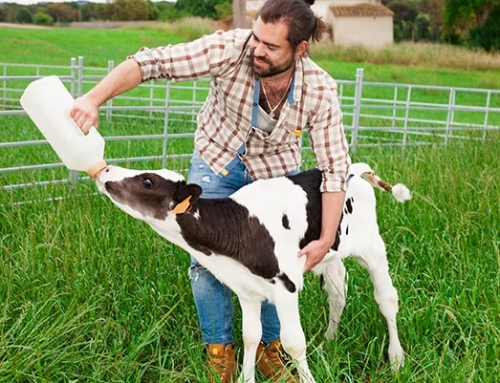
Preparing milk at the correct temperature and concentration is important for consistent calf feeding.
Water should be heated to 45–50°C when preparing milk, with an ideal drinking temperature of 38–42°C, according to the original Eringold guidelines.
The original feeding programme recommends feeding whole milk for the first five to seven days before transitioning to milk replacer.
The suggested milk replacer feeding programme is:
- Starting point: 600g of milk replacer per calf per day, mixed at 150g per litre. This provides two litres in the morning and two litres in the evening.
- At three to four weeks: Gradually build up to 900g per calf per day, mixed at 150g per litre. This provides three litres in the morning and three litres in the evening.
- As calves develop: Gradually adjust milk feeding to encourage sufficient intake of roughage and concentrates and support rumen development ahead of weaning.
The amount of milk replacer required will depend on the feeding programme being followed. Any increase or decrease in the quantity should be introduced gradually rather than overnight, giving calves time to adjust and helping avoid feeding-related setbacks.
For more detail, read our guide on how to mix calf milk replacer.
You can also find more information in our guide to how many litres of milk a calf needs per day.
4. Housing for Calves
Housing plays an important role in calf health management. Keeping young calves in individual pens for the first three weeks can help reduce the spread of disease through direct contact with other calves.
After this period, calves can begin to be introduced to groups, provided the housing and management arrangements are suitable.
When planning calf housing, consider how easily pens can be cleaned, how well the area is ventilated and whether calves have a dry, protected place to rest.
5. Bedding
Calves need a dry resting area with suitable bedding, such as a thick layer of straw.
Clean out bedding regularly and add fresh straw when needed to keep the lying area dry. Wet and dirty bedding can leave calves exposed to cold and damp conditions and increase the risk of health problems.
Checking bedding should be part of the daily calf care routine.
6. Protecting Calves from Cold Winds
Calf housing should provide protection from draughts while allowing suitable ventilation.
Cold air blowing directly into a calf pen can make it difficult for calves to stay comfortable. Use appropriate barriers or shelter to protect resting areas from direct draughts, while ensuring the housing does not become poorly ventilated.
The aim is to provide a dry, comfortable environment where calves can rest without being exposed to cold winds.
7. Calf Rearing During the Winter Months
During colder weather, pay particular attention to young and smaller calves, which may need additional protection.
Make sure calves have a dry, sheltered place to lie down. Calf coats may be useful for some younger calves when conditions are particularly cold.
The original Eringold guidelines also recommend considering a 10% increase in feed quantity per calf per day during cold spells to provide additional energy.
Any adjustment to feeding should take account of the calf’s age, size, condition and existing feeding programme.
8. Hygiene and Calf Health Management
Good hygiene is essential for maintaining calf health and reducing the risk of disease on the farm. Clean housing, dry bedding and properly cleaned feeding equipment all contribute to a healthier environment.
Check the following as part of your calf hygiene routine:
- Keep bedding clean and dry. Remove soiled bedding when needed and add fresh material regularly.
- Clean pens between batches. Remove organic material and clean and disinfect pens before introducing a new group of calves.
- Group calves by age where practical. Avoid mixing much younger calves with older calves unnecessarily, as younger animals may be more vulnerable to disease.
- Separate sick calves. Move a sick calf to an appropriate separate pen and follow your veterinary advice to help limit the spread of illness.
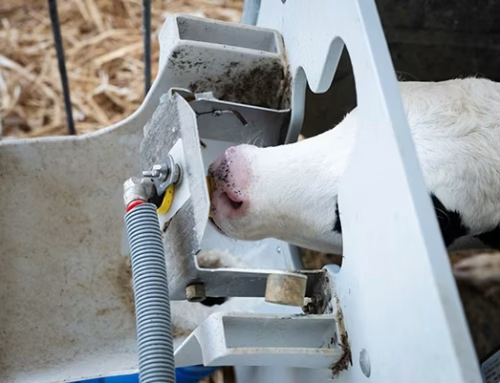
- Clean feeding equipment thoroughly. Wash and maintain buckets, teats and automatic feeder tubes regularly to prevent the build-up of bacteria.
- Avoid sharing contaminated equipment. Use separate, properly cleaned feeding equipment when caring for sick calves.
Good hygiene should go hand in hand with appropriate colostrum management, feeding and housing. These practices help create an environment where calves can grow and thrive.
Calf Rearing: A Consistent Approach
Successful calf rearing depends on getting several things right: providing colostrum promptly, following an appropriate feeding programme, maintaining clean and comfortable housing and paying attention to calf health.
Small, consistent checks each day can help farmers identify problems early and maintain good calf management practices throughout the rearing period.
If you need more information about feeding, explore the Eringold calf milk replacer range or find your nearest stockist.